The Great Wealth Transfer: Why Silence May Be the Biggest Inheritance Risk of All
Australia is entering one of the most significant wealth transitions in its history.
Over the coming decades, trillions of dollars will move from one generation to the next. Homes, businesses, investments, superannuation balances and family wealth accumulated over a lifetime will change hands.
Yet despite the scale of this transfer, many families remain remarkably unprepared.
When most people think about inheritance planning, they think about wills. While having a valid will is essential, new research suggests the bigger risk may lie elsewhere: a lack of communication.
Families are relying on assumptions rather than conversations. Children are building expectations without clarity. Parents are making plans without sharing them. And when expectations collide with reality, disputes often follow.
The result? Financial stress, fractured relationships and outcomes that no one intended.
The Inheritance Problem Few People Are Talking About
For years, estate planning professionals have cited a familiar statistic: around one in three Australians die without a will.
The reality may now be worse.
Recent research into inheritance planning in Western Australia found that 41% of people are likely to die without a valid will in place.
That number matters because dying without a will means your assets are distributed according to statutory rules rather than your wishes.
Many people assume their spouse automatically receives everything. In reality, that’s often not how the legislation works.
Depending on the family structure, assets may be divided between spouses and children according to predetermined formulas. For some families, particularly those with younger children, this can create unintended consequences and significant administrative complexity.
But while dying intestate presents obvious risks, the research highlights another challenge that may be even more widespread.
Families simply aren’t talking about inheritance.
The Conversation Gap
Money remains one of the last taboo subjects in many households.
The research found that nearly half of families have never had a meaningful discussion about inheritance planning. Even more concerning, almost one in five respondents said they never intend to have the conversation at all.
That silence creates a dangerous vacuum.
Without communication, family members fill the gaps with assumptions.
Children assume assets will be divided equally.
Parents assume everyone understands their intentions.
Beneficiaries assume provisions have been made.
No one knows for certain until it is too late.
As inheritance lawyers regularly observe, many disputes begin with a simple phrase:
“I had no idea.”
No idea about the assets.
No idea about the intentions.
No idea about the structure of the estate.
No idea they had been excluded.
When wealth passes between generations without transparency, surprise often becomes the spark that ignites conflict.
Why More Australians Are Depending on Inheritance
Perhaps the most telling insight from the research is the growing importance of inheritance in people’s financial plans.
For many younger Australians, inheritance is no longer viewed as a bonus.
It is increasingly viewed as a financial necessity.
Rising property prices, larger mortgages, higher living costs and increasing financial pressure have fundamentally changed the landscape.
Many professionals and business owners look successful from the outside. They have careers, families and homes. Yet beneath the surface, their balance sheets can tell a very different story.
Large mortgages.
Higher education costs.
Business debt.
Childcare expenses.
Lifestyle commitments.
The outward appearance of wealth doesn’t always translate into financial security.
As one of the podcast’s most striking observations noted, many families live behind what was described as a “thin veneer of affluence”.
They look comfortable, but the financial pressure is significant.
This helps explain why inheritance expectations are becoming more emotionally charged. For many Australians, inheritance is tied directly to their future financial security, retirement planning and ability to support their own children.
The Expectation Gap Between Parents and Children
One of the most fascinating findings from the research was the disconnect between generations.
Younger adults are significantly more likely to expect inheritance disputes.
Parents are far less concerned.
This creates what might be called an expectation gap.
Adult children often believe conflict is likely.
Parents frequently believe everything will work itself out.
Meanwhile, they are operating with different information, different assumptions and different expectations.
Neither side is necessarily wrong.
They’re simply not having the same conversation.
This matters because assumptions rarely survive first contact with reality.
If one generation expects equal treatment while another intends a completely different outcome, conflict becomes far more likely.
Not because the decision is wrong.
But because it came as a surprise.
Why Generation X May Be the Forgotten Risk
For years, much of the focus in estate planning has centred on Baby Boomers.
Understandably so.
They currently hold a substantial proportion of Australia’s private wealth.
However, the research points to a potentially overlooked challenge: Generation X.
As wealth transfers from parents to children, Gen X is rapidly becoming the major recipient.
Yet despite accumulating significant assets and approaching peak wealth years, only around half have wills in place.
This creates a concerning scenario.
Many Gen X families are simultaneously:
- Receiving inheritances from ageing parents.
- Building substantial wealth of their own.
- Supporting children and dependants.
- Managing complex financial structures and family arrangements.
In other words, they are increasingly wealthy but often insufficiently prepared.
As the great wealth transfer accelerates, this generation may become one of the most vulnerable to estate planning mistakes.
Why Equal Isn’t Always Fair
Inheritance planning is often approached with a simple philosophy:
“Just split everything equally.”
While equality sounds fair, family circumstances are rarely identical.
Children have different needs.
Different financial positions.
Different family structures.
Different challenges.
Fairness and equality are not always the same thing.
This is why effective estate planning goes beyond simply deciding who receives what.
It involves considering the broader purpose of wealth.
How can assets be distributed thoughtfully?
How can vulnerable beneficiaries be protected?
How can tax outcomes be improved?
How can future generations benefit?
These are family conversations, not merely legal decisions.
The Overlooked Gender Gap
Another finding that deserves greater attention is the persistent gap between men and women when it comes to inheritance preparation and financial involvement.
The research highlighted meaningful differences in will ownership and preparedness between genders, particularly among younger generations.
While progress has been made, many families still default to one person taking primary responsibility for financial matters.
That creates risks.
If one partner manages all financial decisions while the other remains largely disengaged, the surviving spouse may face unnecessary confusion, stress and vulnerability when critical decisions need to be made.
Financial literacy should never be a solo responsibility within a household.
Inheritance planning works best when both partners understand the family’s financial position, intentions and long-term objectives.
The Will Is Easy. The Conversation Is Hard.
Creating a will is typically a transaction.
Having an inheritance conversation is a relationship exercise.
That’s why many families postpone it.
The legal document can often be completed in weeks.
The emotional work may take years.
Yet the conversation is often where the greatest value exists.
Not every family needs to disclose exact asset values.
Not every detail needs to be shared.
But discussing intentions, responsibilities and expectations can dramatically reduce uncertainty and future conflict.
In many cases, the goal isn’t to reveal everything.
It’s to make sure nobody is shocked later.
Start Before It’s Urgent
One of the most practical insights from the discussion was refreshingly simple:
“The best will to have is the one you actually complete and sign.”
Too many people delay planning because they’re searching for the perfect solution.
But perfection is rarely the objective.
Progress is.
Estate planning can evolve over time.
It can be reviewed.
It can be refined.
It can adapt as children grow, wealth changes and family circumstances develop.
The biggest risk is not getting it perfect.
The biggest risk is doing nothing at all.
Final Thoughts
The coming decades will see unprecedented wealth move between generations.
For many families, that transfer will happen smoothly and according to plan.
For others, poor preparation, unrealistic expectations and a lack of communication may create unnecessary conflict.
The lesson is clear.
A will matters.
But conversation matters too.
Families that discuss these issues openly are often better equipped to preserve not only their wealth, but also their relationships.
Because the true legacy we leave behind isn’t just financial.
It’s the clarity, confidence and understanding we pass on with it.
Key Takeaways
- Nearly 41% of Australians are expected to die without a will, increasing the risk of unintended outcomes.
- Inheritance disputes are often driven by poor communication and unmet expectations rather than greed.
- Younger generations increasingly view inheritance as important to their financial future due to housing affordability and financial pressures.
- Generation X may be the most exposed generation as they inherit significant wealth while remaining underprepared themselves.
- The most effective estate plans combine legal documentation with honest family conversations.
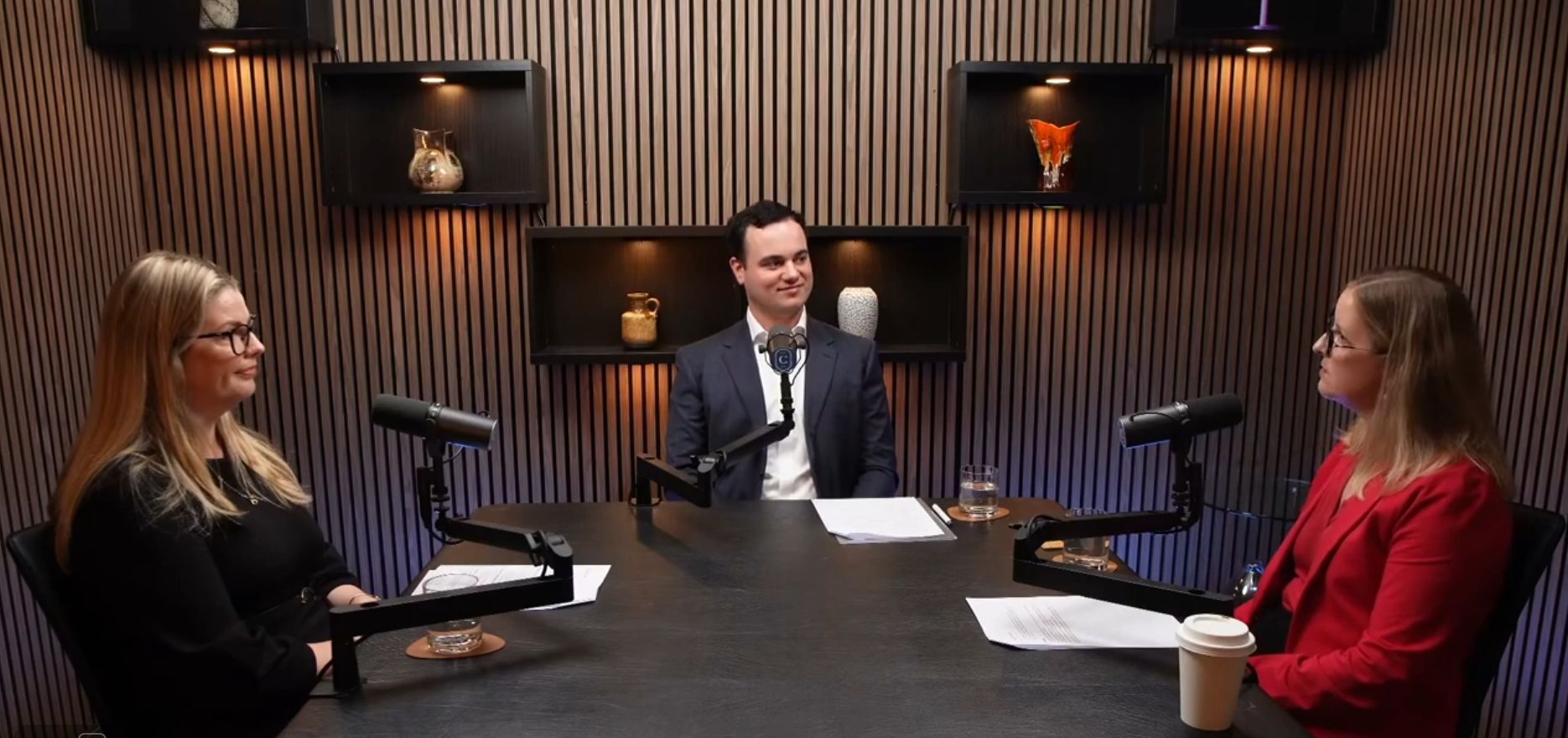
Listen to the full episode of the Purposeful Investor Podcast to hear the complete conversation and learn how small decisions today can shape your financial future.
Watch the full episode on the Purposeful Investor YouTube channel.